Case Study: How a Premium Skincare Brand Transformed Their Packaging with Aluminum
Discover how switching to aluminum packaging helped a skincare brand increase perceived value and reduce environmental impact.
The Challenge
A mid-size skincare brand specializing in organic face creams faced a packaging dilemma. Their existing plastic jars, while functional, failed to communicate the premium quality of their formulations. Customer feedback indicated the packaging felt 'cheap' compared to the product inside.
Evaluating Options
The brand evaluated glass, aluminum, and bioplastic options. Glass offered premium aesthetics but added significant weight and breakage risk. Bioplastics aligned with sustainability goals but lacked the premium feel and barrier properties needed for their formulations.
Aluminum emerged as the optimal choice, combining premium aesthetics, lightweight durability, excellent barrier properties, and strong sustainability credentials.
Implementation Process
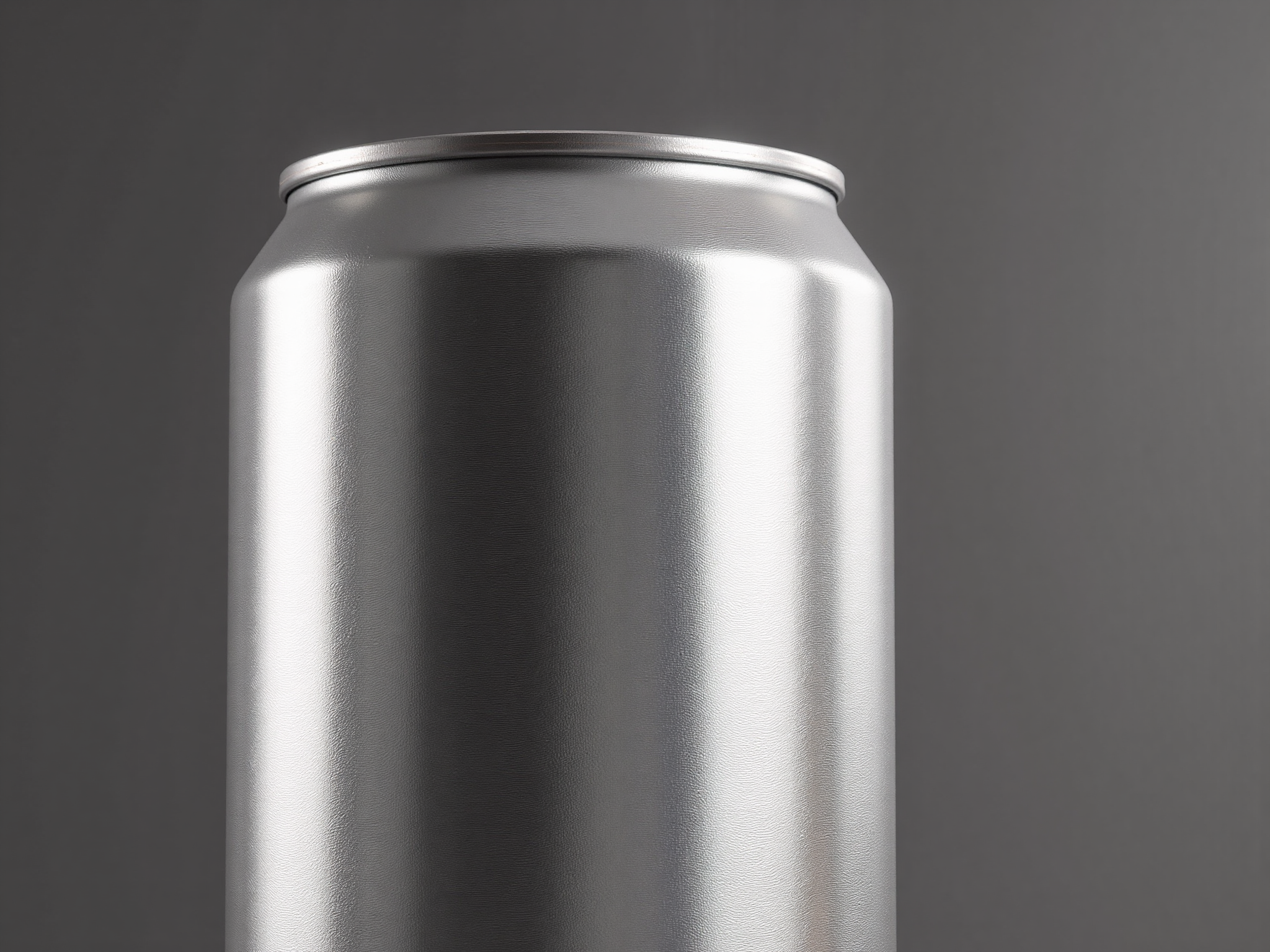
The transition began with sampling and compatibility testing. The brand worked with their supplier to develop custom embossing that matched their logo and brand identity. Surface finishing was specified as matte anodized with screen-printed branding.
Results and Impact
Post-launch metrics showed significant improvements. Customer surveys indicated a 40% increase in perceived product value. The brand successfully implemented a 15% price increase without volume loss, attributing this to enhanced packaging perception.
Environmental impact improved dramatically. Aluminum's infinite recyclability resonated with their eco-conscious customer base, and the brand reported a 25% increase in social media mentions related to packaging sustainability.
Key Takeaways
Packaging is not just a container—it's a brand communication tool. Strategic packaging decisions can drive measurable business outcomes including pricing power, customer perception, and brand differentiation in competitive markets.
All comments (0)
No comments yet. Be the first to comment!